課程名稱:CCNA 國際認可證書課程 (Fast Track) (200-301) (v2.0)
- 簡稱:CCNA Training Course (Fast 200-301 v2.0) |
1.0 Network Infrastructure and Connectivity
1.1. OSI Reference Model & TCP/IP Model
1.2. Ethernet Concepts
Switching Design
Cable Types, Pin out, Copper/Fiber Optic Cables
Half-duplex / Full-duplex, Collisions, Errors, Mismatched Duplex
Speed, Distance, Interface, Signal Levels
1.3. Switching Concepts
MAC Address Table (Learning & Aging)
Collision & Broadcast Domain
1.4. IPv4 Addressing
Structure of IP Address & Binary Number
Public vs. Private IP Addressing
Subnetting & VLSM
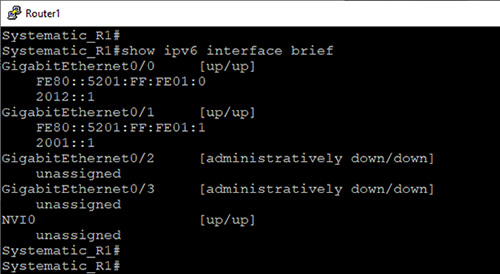
1.5. IPv6 Addressing
Address Types & Representation
Modified EUI-64 & SLAAC
IPv6 Assignment and Prefix Sizing
1.6. TCP/UDP Protocols
Transmission Control Protocol (TCP)
User Datagram Protocol (UDP)
Address Resolution Protocol (ARP)
Internet Control Message Protocol (ICMP)
2.0 Switching
2.1. VLANs & Trunking
Normal Range VLANs, Access/Trunk Ports, 802.1Q, Native VLAN
Voice VLAN
Switch Virtual Interface (SVI)
Switch-to-Switch & Switch-to-Router Connectivity
Edge-host connectivity: Desktop, Printer, IoT, Virtualized hosts, Network appliances
2.2. Spanning Tree Protocol
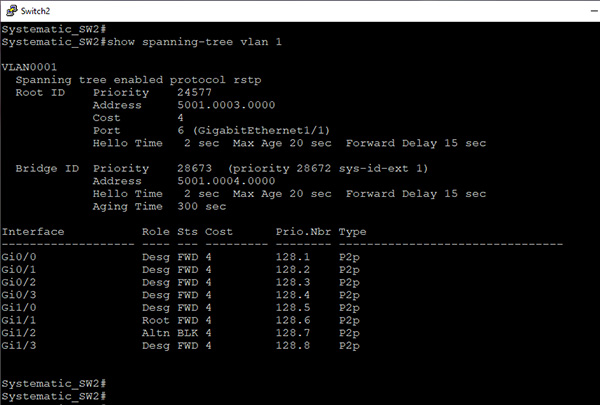
Rapid PVST+ (Root Bridge, Root Port, Port States)
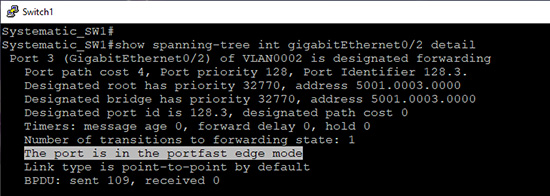
PortFast, BPDU Guard, BPDU Filter, Root Guard, Loop Guard
2.3. EtherChannel
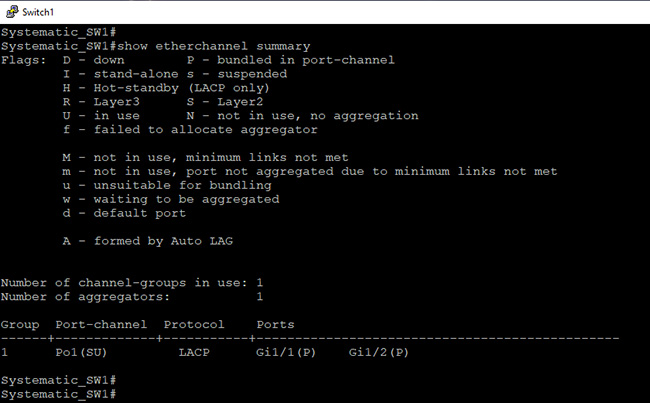
LACP (Layer 2/Layer 3)
2.4. Layer 2 Security Features
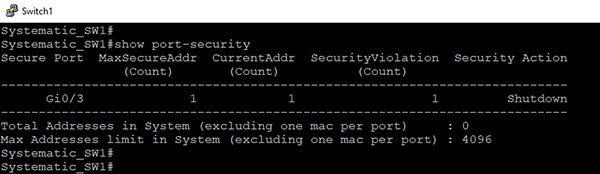
Port Security
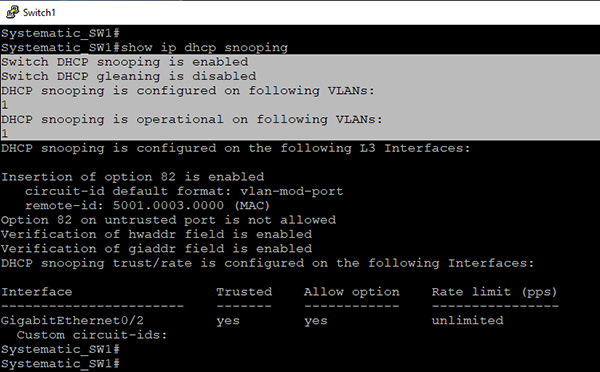
DHCP Snooping
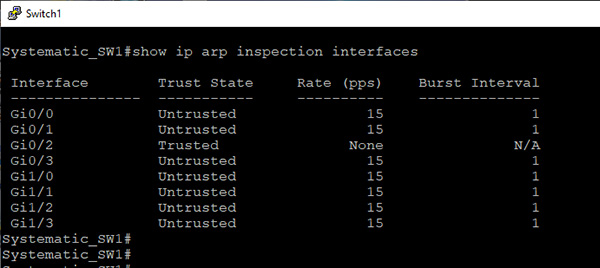
Dynamic ARP Inspection (DAI)
Storm Control
RA Guard
DTP Security & VLAN Hopping Attacks
2.5. Network Discovery Protocols
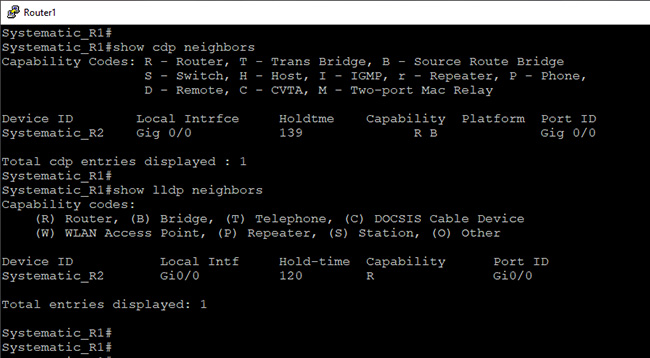
CDP & LLDP
2.6. Troubleshooting Layer 2
show commands, show logs, ping, extended ping, traceroute, packet capture
3.0 IP Routing
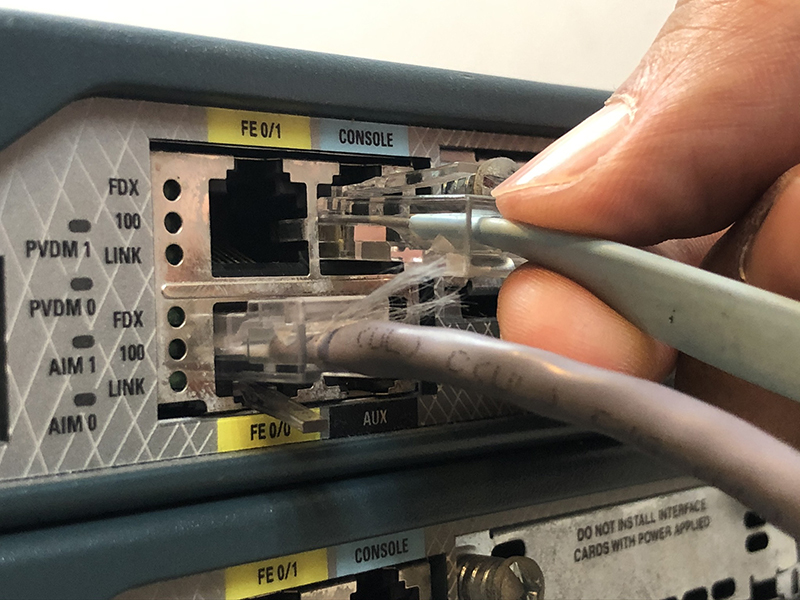
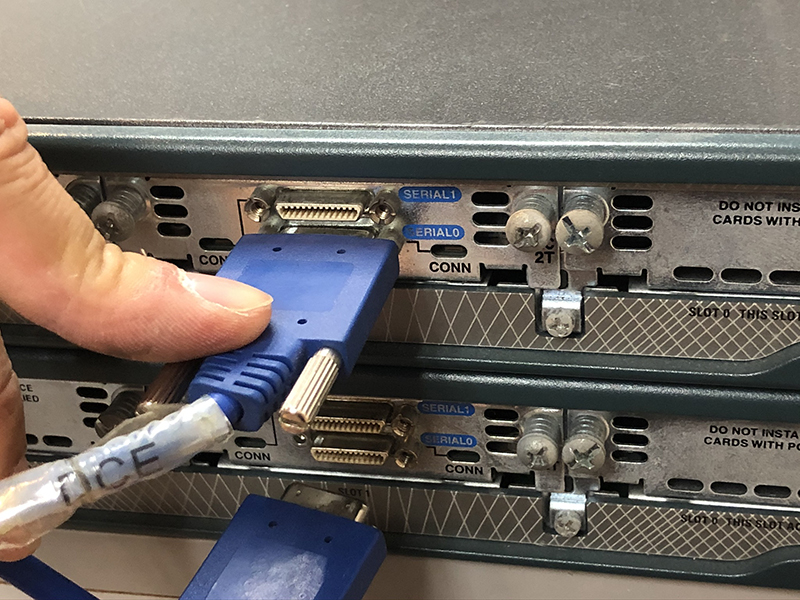
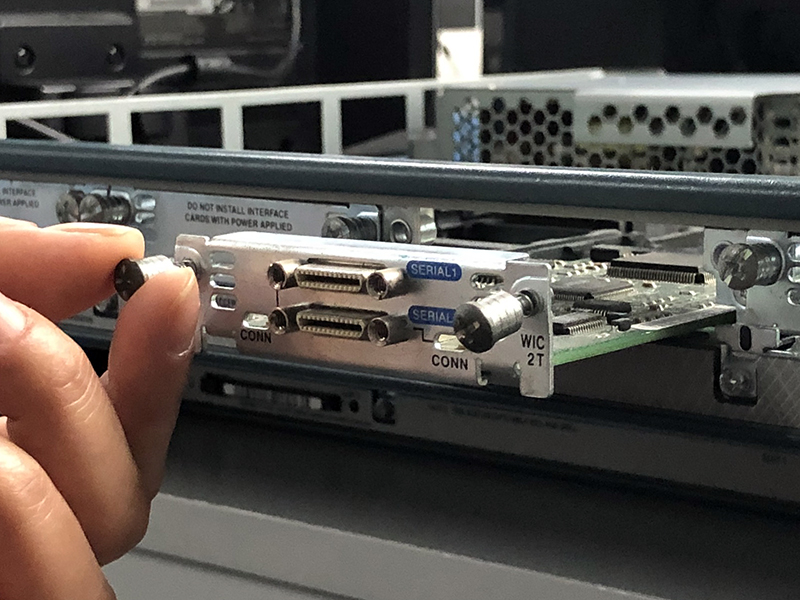
3.1. Cisco Router Overview
Memory, Booting, Interfaces
3.2. Basic Router Management
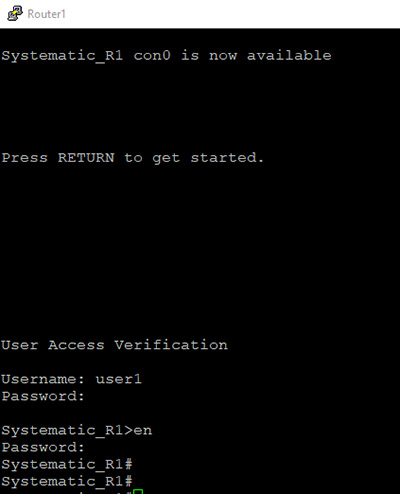
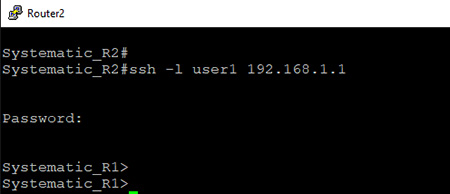
CLI, Configuration Management, SSH
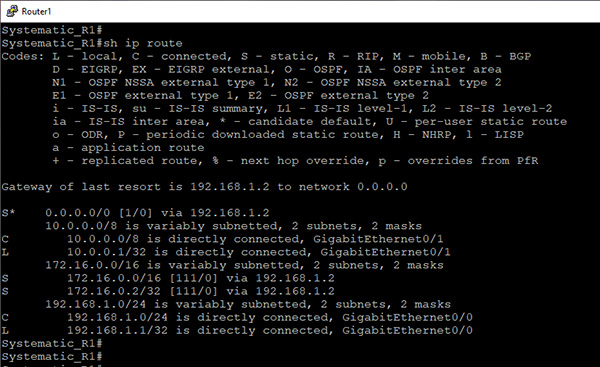
3.3. Static Routing
Default Route, Network Route, Host Route
Floating Static Route
3.4. InterVLAN Routing
Router-on-a-stick & L3 switches
3.5. Dynamic Routing Concepts
Administrative Distance (AD) & Metric
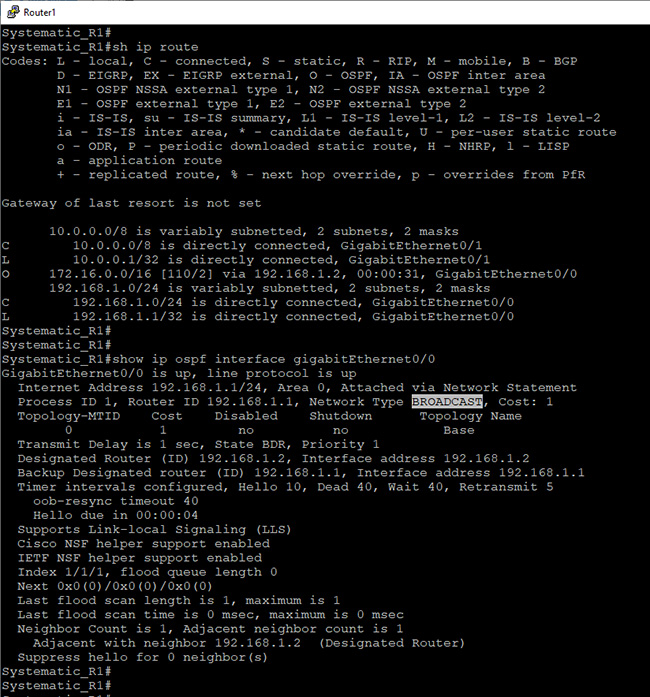
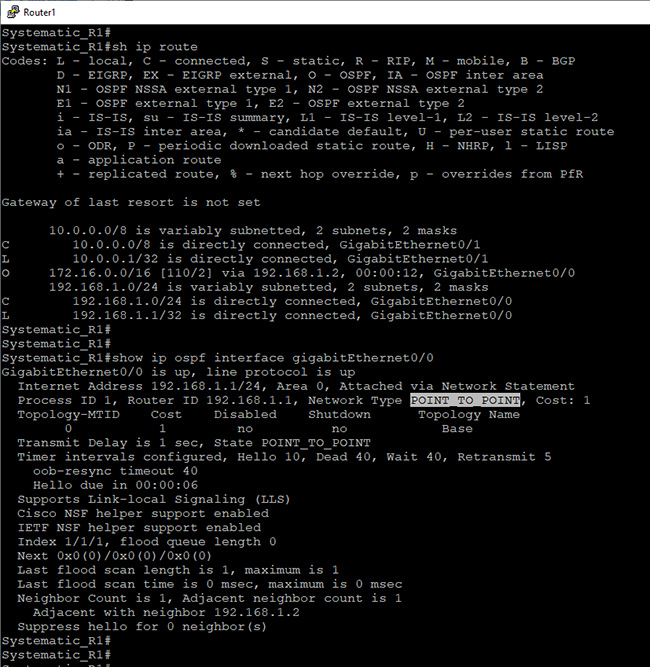
3.6. OSPF
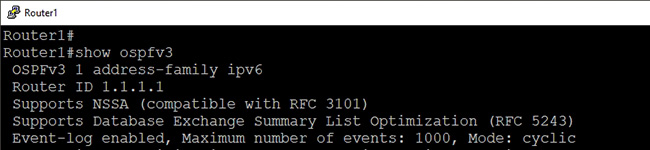
OSPFv2 (IPv4) & OSPFv3 (IPv6)
Neighbor Adjacencies (Point-to-point, Broadcast, DR/BDR)
Router ID
3.7. First Hop Redundancy Protocols
HSRP & VRRP
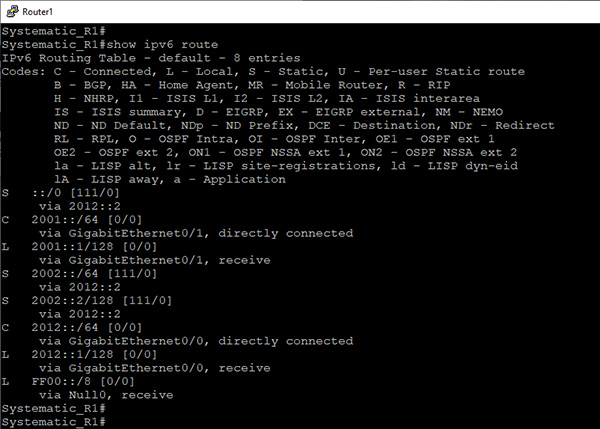
3.8. Interpret Routing Table
next hop, prefix/mask, AD, metric, default route
4.0 Network Services and Security
4.1. DHCP
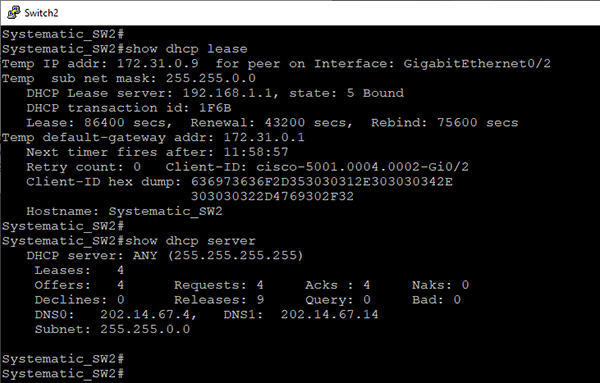
Server, Client, Relay
4.2. DNS
A, AAAA, CNAME, MX, NS, PTR Records
4.3. NTP
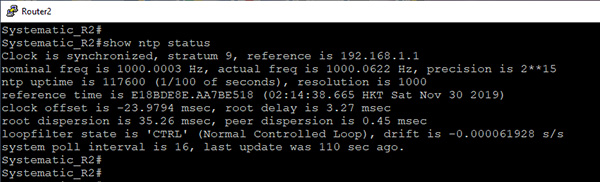
Client/Server Mode
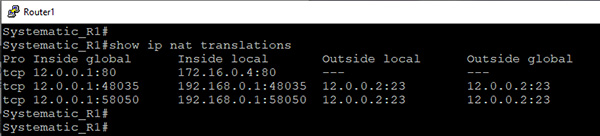
4.4. NAT/PAT
Static NAT, Dynamic PAT
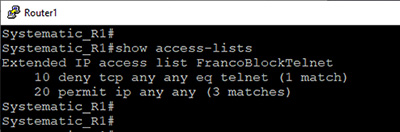
4.5. Access Control Lists
Standard / Extended ACLs (Numbered & Named)
Inbound / Outbound
4.6. Device Management Security
Local Usernames & AAA (TACACS+ / RADIUS)
Secure File Transfer – SFTP/SCP
4.7. VPN
IPsec Remote Access & Site-to-Site (protocols and transport modes)
4.8. Security Fundamentals
Firewall & Intrusion Prevention System (IPS)
IEEE 802.1x
5.0 AI, Network Operations and Management
5.1. Network Virtualization (Hypervisors, Virtual Machines, Containers)
5.2. AI in Network Operations
Agentic AI
5.3. Generative AI for Network Operations
Prompt Engineering (data classification, output format, persona, instructions)
5.4. Network Management Approaches
Device-based, Cloud-based, Controller-based
Automation-based & Infrastructure as Code (IaC)
5.5. SNMP
Function & Operation
5.6. Configuration Management
Ansible
5.7. Syslog
Severity Levels & Facilities
5.8. Cloud-managed network devices
6.0 Wireless Networking
6.1. Wireless Principles
Band and Channel Selection (non-overlapping channels)
RF Characteristics and Causes of Interference
6.2. Wireless Security Protocols
6.3. Wireless Architecture
Controller-Based Wireless Architecture, WLC Ports
Layer 2 Frames for Wireless Network
6.4. Configure Cisco Wireless Network
7.0 QoS
7.1. QoS Overview
7.2. Marking & Classification
7.3. Congestion Management
Queuing, Scheduling, Shaping, Policing
7.4. QoS Setup on Cisco Router
8.0 Network Topology Architectures
8.1. 2-Tier / 3-Tier
8.2. Spine-leaf
8.3. SOHO (Small office/home office)
8.4. WAN (Wide Area Network)
8.5. On-premises & cloud
9.0 Miscellaneous
9.1. EIGRP (Enhanced Interior Gateway Routing Protocol)
9.2. BGP (Border Gateway Protocol)
9.3. GRE / 6to4 tunnelling
9.4. IP SLA
The course content above may change at any time without notice in order to better reflect the content of the examination.
|
















 按此摺合
按此摺合 繳付學費,過程簡便!





 虛假失實指控 1
 真相
真相